Source tear resistant hdpe sheet for Ground Protection, Lining, and Machinery
Compare 30 listings of tear resistant hdpe sheet available from Chinese manufacturers. Buyers can evaluate specifications like thickness, density, and bearing capacity to find suitable options for ground protection and industrial lining applications.
Key considerations
Products List




Comprehensive Sourcing Guide
Tear Resistant HDPE Sheet Sourcing Guide
High-density polyethylene (HDPE) sheeting is a versatile engineering plastic widely utilized in industrial, construction, and material handling applications due to its exceptional balance of strength, chemical resistance, and durability. When sourcing tear-resistant HDPE sheets, buyers must navigate a market characterized by significant variations in material grade, manufacturing processes, and physical properties. The term "tear resistant" is not a standardized technical specification but rather a performance descriptor that implies high tensile strength, high breaking elongation, and robust impact resistance. Procurement teams must therefore translate this qualitative requirement into quantifiable metrics such as tensile strength ranges, density values, and specific elongation percentages to ensure the selected material meets the operational demands of the end-use environment.
The global supply chain for HDPE sheets is dominated by manufacturers in China, with major production hubs located in regions such as Ningjin, Dezhou, and Shandong Province. These facilities typically offer a wide range of customization options, including specific colors, thicknesses, and dimensions, catering to diverse industrial needs. However, the diversity of suppliers also introduces complexity in quality assurance. Buyers must distinguish between virgin HDPE materials and recycled blends, as the latter may compromise the tear resistance and structural integrity required for heavy-duty applications. Understanding the origin, production process, and material composition is the first critical step in securing a reliable supply of high-performance HDPE sheeting.
Product Scope and Observed Listing Signals
The observed market for HDPE sheets reveals a broad spectrum of product types, ranging from standard black and white sheets to specialized variants such as anti-UV, glossy, and color-customized options. Listings frequently highlight applications in ground protection, where the material serves as a stable, high-bearing-capacity surface for heavy machinery and temporary roadways. These ground protection mats often boast bearing capacities exceeding 80 tons, indicating a focus on structural load distribution rather than just surface durability. Buyers should recognize that "tear resistance" in this context is closely linked to the sheet's ability to withstand point loads and dynamic stresses without fracturing or splitting under heavy weight.
Product specifications observed in the market include thicknesses ranging from 1mm to 300mm, with common standard sizes such as 4x8 feet and metric equivalents like 1220x2440mm. The density of the material is a key indicator of quality, with observed values typically falling between 0.93 and 0.97 g/cm³. This density range suggests the use of high-quality polyethylene resin, which contributes to the material's rigidity and resistance to environmental stress cracking. Additionally, customization is widely available, allowing buyers to request specific dimensions, colors, or surface finishes, which can be crucial for applications requiring high visibility or specific aesthetic integration into existing infrastructure.
Technical Specifications to Verify
Tensile strength is a primary metric for evaluating the tear resistance of HDPE sheets, with observed values ranging from 81 to 130 MPa. This range indicates a material capable of withstanding significant pulling forces before failure, which is essential for applications involving tension or impact. Buyers should verify that the supplier provides test data or certificates confirming these tensile properties, as lower strength values may indicate the use of inferior or recycled materials that are prone to tearing under stress. The breaking elongation, often cited as greater than 300%, is another critical parameter that demonstrates the material's ductility and ability to deform without breaking, further enhancing its resistance to tear propagation.
Water absorption and contraction percentage are also vital technical attributes that influence the long-term performance of HDPE sheets. Observed water absorption rates of less than 0.01% highlight the material's hydrophobic nature, which prevents swelling, warping, or degradation in wet environments. Similarly, a contraction percentage of less than 0.4% ensures dimensional stability during temperature fluctuations and after cutting or machining. These properties are particularly important for precision applications where maintaining exact dimensions is crucial. Buyers must ensure that the specified HDPE sheet meets these low-absorption and low-contraction standards to guarantee reliability in outdoor or variable climate conditions.
Compliance and Safety Documentation
Certification plays a pivotal role in verifying the quality and safety of HDPE sheets, particularly for industrial and construction applications. Common certifications observed in the market include CE and ISO 9001, which indicate that the manufacturer adheres to international quality management standards and European conformity requirements. These certifications provide assurance that the production processes are controlled and consistent, reducing the risk of defects that could compromise the tear resistance of the final product. Buyers should request copies of these certificates and verify their validity with the issuing bodies to ensure compliance with relevant regulatory frameworks.
In addition to general quality certifications, specific material safety and environmental compliance documents may be required depending on the application. For instance, if the HDPE sheets are used in food-contact or water-treatment environments, additional certifications regarding material purity and non-toxicity may be necessary. Buyers should inquire about the material's compliance with relevant standards for chemical resistance and environmental impact, especially if the sheets will be exposed to harsh chemicals or extreme weather conditions. Ensuring that the supplier can provide comprehensive documentation not only mitigates legal and safety risks but also enhances the credibility of the procurement process.
Cost Drivers and Commercial Terms
The price range for HDPE sheets in the observed market spans from approximately $0.96 to $2500, reflecting the vast differences in thickness, size, material grade, and customization requirements. Thicker sheets and those with specialized properties, such as anti-UV additives or high tensile strength, command higher prices due to increased material costs and processing complexity. Buyers should analyze the cost per unit area or volume rather than the total price to make accurate comparisons between different suppliers and product specifications. Understanding the cost drivers helps in budgeting effectively and identifying potential savings without compromising on quality.
Minimum order quantities (MOQs) vary significantly, ranging from 1 piece to 2000 pieces, offering flexibility for both small-scale projects and large industrial contracts. Suppliers often provide sample availability, allowing buyers to test the material's tear resistance and other properties before committing to a larger order. This is a crucial step in the procurement process, as it enables buyers to validate the supplier's claims and ensure the product meets their specific requirements. Buyers should leverage sample orders to assess the material's performance in real-world conditions and negotiate favorable commercial terms based on the results.
Supplier Qualification and Quality Control
Supplier qualification is essential to ensure the reliability and consistency of HDPE sheet supplies. Buyers should evaluate suppliers based on their production capabilities, quality control processes, and track record in the industry. Factories that employ advanced production processes such as extrusion and molding are more likely to produce high-quality sheets with consistent properties. Additionally, suppliers that offer customization options and have a robust quality assurance system in place are better positioned to meet specific buyer requirements. Buyers should request detailed information about the supplier's manufacturing facilities, equipment, and quality control protocols to assess their capability to deliver high-performance HDPE sheets.
Quality control measures should include rigorous testing of key attributes such as tensile strength, density, and water absorption. Buyers should verify that the supplier conducts regular inspections and tests throughout the production process to identify and rectify any defects. Packaging is also an important aspect of quality control, as proper packaging prevents damage during transportation and storage. Observed packaging methods include wooden pallets, iron pallets, and export-standard pallet packing, which provide adequate protection for the sheets. Buyers should ensure that the supplier's packaging methods are suitable for the shipping conditions and that the sheets arrive in pristine condition.
Long-Term Procurement Checks
Long-term procurement success depends on establishing a sustainable relationship with suppliers who can consistently deliver high-quality HDPE sheets. Buyers should conduct periodic audits and performance reviews to assess the supplier's ability to meet quality, delivery, and service expectations. Regular communication and feedback loops help in addressing any issues promptly and fostering a collaborative partnership. Additionally, buyers should stay informed about market trends and technological advancements in HDPE production to ensure they are sourcing the most advanced and cost-effective materials. This proactive approach helps in maintaining a competitive edge and ensuring the reliability of the supply chain.
Continuous monitoring of material performance in the field is crucial for identifying any potential issues with tear resistance or other properties. Buyers should collect feedback from end-users and conduct regular inspections of the installed HDPE sheets to assess their condition and performance. If any defects or failures are observed, buyers should work closely with the supplier to investigate the root cause and implement corrective actions. This iterative process of monitoring and improvement helps in optimizing the procurement strategy and ensuring that the HDPE sheets continue to meet the evolving needs of the application.
FAQs
What is the water absorption rate of this HDPE sheet?
The water absorption rate is less than 0.01 percent, ensuring high stability in wet environments. This low absorption prevents swelling or degradation, making the sheet suitable for ground protection applications where moisture resistance is critical for long-term performance.
Can I order custom sizes for the HDPE sheet?
Yes, custom sizes are available to meet specific project requirements. The standard dimensions include 4x8 feet, but the manufacturer accepts customized orders to ensure the product fits your exact application needs without compromising structural integrity.
What certifications do these HDPE sheets hold?
These sheets hold CE and ISO 9001 certifications, verifying compliance with international quality and safety standards. These credentials ensure the product meets rigorous manufacturing protocols and is suitable for professional industrial and construction applications globally.
How much weight can the HDPE sheet support?
The sheet offers a bearing capacity of over 80 tons, providing exceptional load-bearing performance. This high strength makes it ideal for heavy-duty ground protection where distributing significant weight across the surface is necessary to prevent sinking or damage.
What is the minimum order quantity for this product?
The minimum order quantity is one piece, allowing for flexible purchasing options. This low threshold enables buyers to test the product quality or fulfill small-scale project needs without being forced into large bulk commitments immediately.
Which colors are available for the HDPE sheet?
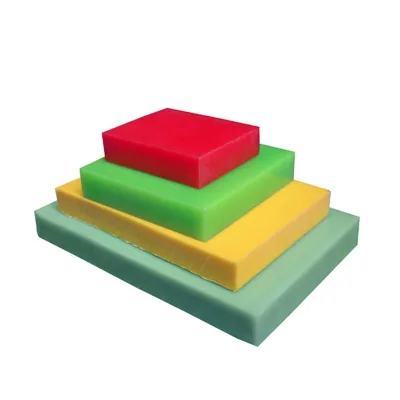
Available colors include red, black, white, and yellow, with customized options also accepted. This variety allows users to select specific colors for visibility, safety coding, or aesthetic integration within their specific industrial or construction site environments.
How is the product packed for shipping?
The product is packed on wooden pallets, iron pallets, or in export standard cartons. This robust packaging ensures the sheets remain protected during transit, preventing damage from handling or environmental exposure while facilitating efficient loading and unloading.